Mold lab reports look clinical on paper, but they describe real conditions inside a home or commercial space. I have spent years crawling attics in Wortley Village, tracing musty odors in Old North basements, and pulling air samples from downtown condo fan coils. The lab sheets that follow those visits are only useful if you know how to read them in context: local building styles, soil moisture in Southwestern Ontario, the way our winters drive humidity indoors, and the quirks of older homes with limestone foundations or 1970s split-levels with marginal ventilation. If you just received mold testing results for a property in London, Ontario, this guide will help you understand what the numbers mean, what deserves action, and where a calm, practical response works better than panic.
What your lab report actually measures
Most residential mold testing in London Ontario falls into two categories. First, air samples that capture airborne spores onto a cassette for lab analysis. Second, tape-lift or swab samples, which pick up surface material from visible staining. Each method answers a different question. Air sampling tells us what you are breathing at the time of the test. Surface sampling helps confirm whether a stain is mold and, if so, which genera are present.
A standard air cassette pulls either 75 or 150 liters of air. The lab then counts spores under a microscope, usually reported as spores per cubic meter. The report lists genera such as Aspergillus/Penicillium, Cladosporium, Stachybotrys, Chaetomium, Alternaria, Basidiospores, and a handful of others. The counts do not directly equal risk. They are a signpost for conditions, not a diagnosis. A spore count of 1,200 for Cladosporium means one thing in a closed-up ranch in Byron after two weeks of rain, and something else in a high-traffic home with doors open for a moving day.
Surface samples rarely include a spore count. Instead they confirm presence and type. A tape lift from a bathroom ceiling might read Penicillium/Aspergillus-like structures observed, abundant. That tells us the stain is fungal and active enough to warrant fixing humidity, but not necessarily that the bathroom air is hazardous.
Context matters more than a single number
Clients often ask for absolute thresholds. They want a red, yellow, green system where any count over a number is bad. Mold lab work does not work that way because normal background spore levels change with season and weather. In April and May, counts of Cladosporium outdoors in London can be many times higher than in January. Dense tree cover near Blackfriars or along the Thames pushes outdoor basidiospores up on windy days. If you pull indoor samples during a spring warm spell with windows open, you will naturally see more outdoor-type spores inside.
That is why comparison sampling is standard practice during a mold inspection. Your home inspector should collect at least one outdoor control sample and one or more indoor samples, ideally using the same cassette type and flow rate. We are not trying to beat the outdoors. We are checking whether the indoor air is significantly different, either higher counts or unusual species.
When I look at a report from a home inspection London Ontario clients book during purchase, I ask three questions:
- Are any indoor samples showing spore types that do not appear outside, particularly water-indicator molds like Stachybotrys, Chaetomium, or Ulocladium? Are indoor counts for common water-amplifiers like Aspergillus/Penicillium two to three times higher than outdoors or than other rooms in the same home? Do the findings align with the building’s story: visible water staining, musty odor, humidity history, or thermal imaging house inspection results that show active moisture?
If the answers point to a pattern, we move from results to causes.
Common genera and what they signal
Cladosporium shows up as the most frequent outdoor spore in our area. It also grows on window sashes and in cool corners with condensation. Moderate Cladosporium indoors with matching outdoor levels often reflects entry through doors and windows. On the other hand, heavy Cladosporium in a damp basement with a dehumidifier set high or powered off can indicate a local source, especially if odor is present.
Aspergillus/Penicillium is a lab shorthand because many species share morphology under light microscopy. They colonize dust, drywall paper, and wood when humidity persists. Elevated Asp/Pen indoors compared to outdoors usually signals chronic moisture. This is the one that trips deals during home inspection London transactions, because it shows conditions rather than a one-time spill. In practical terms, I look for indoor Asp/Pen at least double the outdoor control to call it elevated with confidence.
Stachybotrys. This name triggers alarm because of media coverage. In the field, Stachy likes consistently wet cellulose, not just high humidity. It shows up under long-term leaks: behind shower walls, at roof penetrations, around poorly flashed windows. I do not expect to see it floating around in high numbers, as its spores are sticky and get airborne when disturbed. Finding Stachy in an air sample, even at low counts, suggests a nearby source that has been wet for weeks. A tape lift from a black patch can confirm it.
Chaetomium is another water indicator associated with long-term dampness. When I see Chaetomium in a basement with a rough concrete floor and a history of sewer backup, I start tracing for hidden materials that stayed wet beyond 48 hours.
Basidiospores are common outdoors from mushrooms and wood rot fungi. High basidiospores indoors can indicate open windows or a nearby crawlspace with exposed soil and wood. In homes with wood stoves, ash movement can confound things.
Alternaria tends to grow on plants and in damp window areas. I do not weigh it as heavily unless it towers above the outdoor control.
When a lab report calls a spore “Ascospores” or “Smuts/Myxomycetes,” that is a broad category. Alone it rarely proves indoor growth, but in clusters with water indicators it rounds out the picture.
Reading the numbers like a local
London’s housing stock spans brick century homes with stone foundations, 1950s bungalows with minimal foundation drainage, and modern builds with tight envelopes and HRVs. Each has a mold pattern.
Older basements along Wortley and Woodfield often show elevated Aspergillus/Penicillium in summer. The cause is not necessarily a leak, but ambient humidity over 60 percent combined with cool foundation walls. A $300 dehumidifier set to 50 percent can drop airborne counts within days if you run it continuously and drain it properly. I tell clients to confirm by retesting after 10 to 14 days of steady control.
Split-level homes from the 1970s around White Oaks sometimes show higher counts in lower-level family rooms. The culprit can be carpet over slab or duct leakage pulling crawlspace air. Here, duct cleaning is not the solution. Air sealing and rebalancing the HVAC, plus managing slab moisture with a good underpad or hard surface flooring, brings levels down.
Newer homes in North London have tighter shells and HRVs. If the HRV is mis-set or off, showers and cooking can elevate indoor humidity, fueling surface growth in bathrooms and corners behind furniture. Lab results that show moderate Asp/Pen with no water indicators often resolve with proper ventilation settings and basic sealing of fan housings.
Commercial building inspection and testing tell a different story. Office buildings with variable air volume systems can swing humidity quickly. If an office shows elevation in a single sample near a copy room or kitchenette, I pull a second sample to confirm before suggesting remediation. The pressure differences in commercial spaces mean we often find isolated sources like a wet ceiling tile rather than building-wide amplification.
What “elevated” really means
I avoid blanket thresholds, but patterns help. For mold testing London Ontario, here is how I interpret a standard two or three sample set using common flow rates:
- Indoor Asp/Pen equal to or less than outdoor control with no water indicators present: typical background. Address dust and humidity, no invasive work. Indoor Asp/Pen roughly two to three times outdoor: investigate moisture in the sampling area. Check for slow plumbing leaks, foundation dampness, or poor ventilation. Remediation often focuses on cleaning and drying, not demolition. Any detection of Stachybotrys or Chaetomium in air, or abundant levels on a tape lift: expect a localized, persistent leak or a past flood that never dried fully. Plan for targeted removal of affected materials. High basidiospores indoors with windows closed and no recent outdoor traffic: look for infiltration from crawlspaces or bulk moisture in the building envelope.
When a home inspector London ON provides your report during a real estate transaction, also consider chain of custody and site conditions. If the seller ran an ozone generator the day before, or the home had all windows open, the data skews. A good local home inspector notes recent cleaning, painting, or strong fragrances, all of which can influence results and mask odor.
How air quality testing fits with the bigger picture
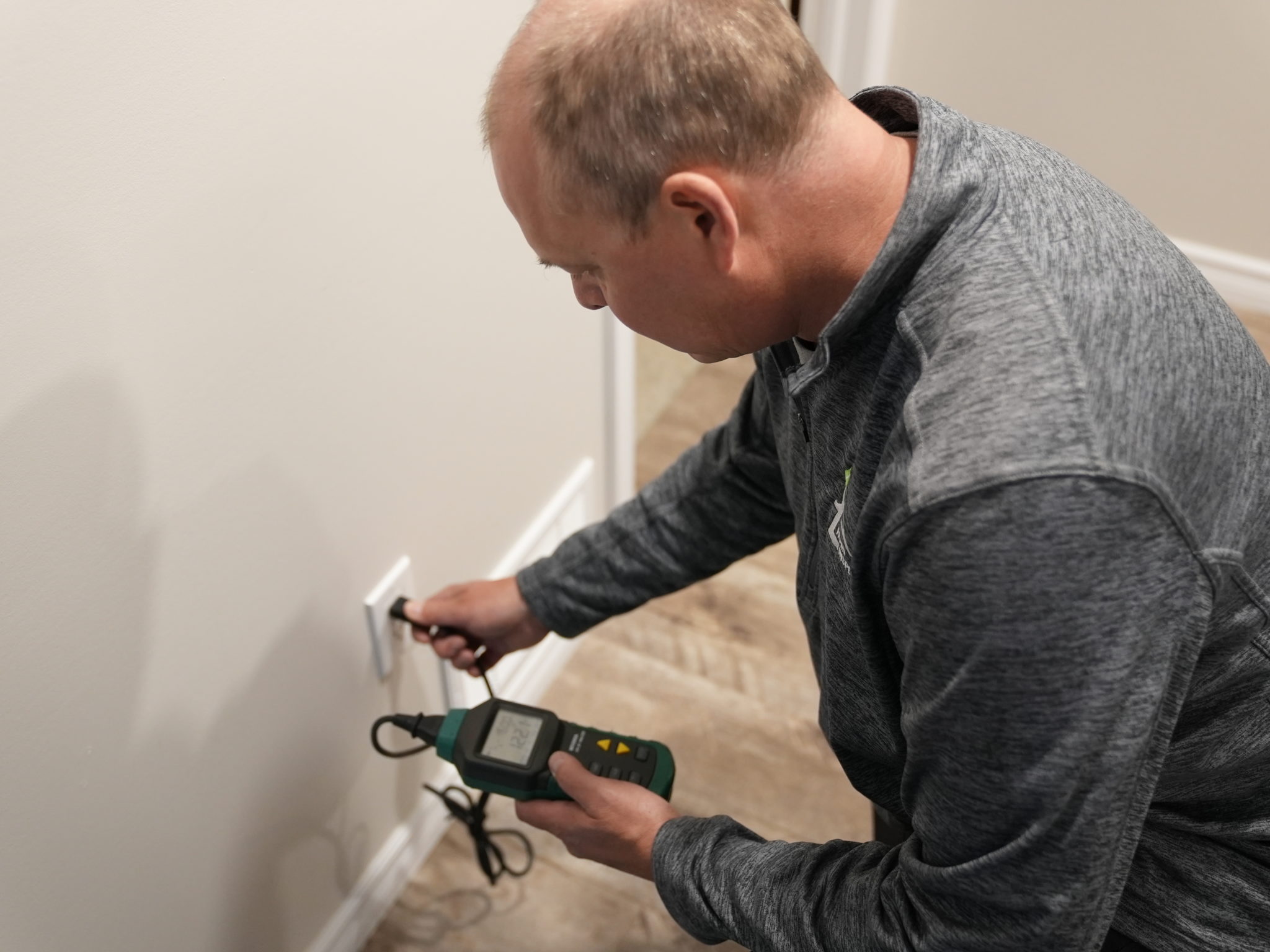
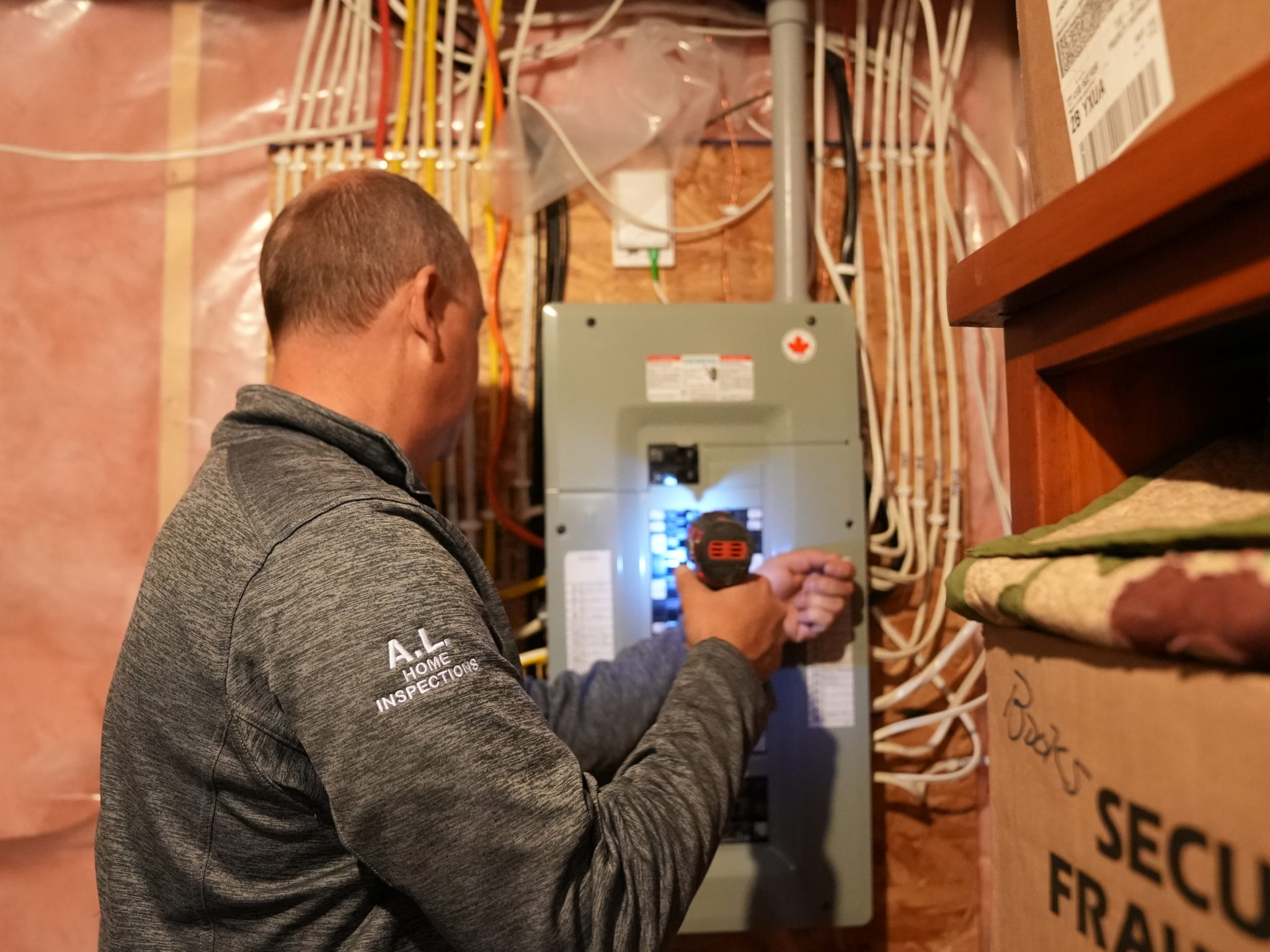
Air quality testing London Ontario should not stand alone. It pairs with a focused mold inspection of the building so numbers make sense. I rely on moisture meters, mold testing hamilton ontario thermal imaging house inspection, and direct observations that connect lab findings to sources. A damp reading at the base of a shower wall combined with Chaetomium on a tape lift tells me more than either alone.
In older neighborhoods, we also think about asbestos home inspection if demolition is needed. It is not uncommon to find joint compound or vinyl floor tiles that require asbestos testing London Ontario before you cut. I have seen well-meaning homeowners rip out a moldy bathroom only to learn that the mastic under the lino contained asbestos. Proper testing avoids compounding problems.
If the property sits near a busy road or industrial corridor, volatile organic compounds or combustion byproducts can also influence indoor air quality. Mold may be just one piece. In Sarnia, ON and surrounding areas, industrial emissions shape outdoor baselines at certain times. Interpreting indoor mold numbers against that backdrop demands local knowledge.
When a “fail” is not a failure
Buyers and sellers both worry about pass or fail. Labs do not assign grades because interpretation sits with the inspector. I have cleared homes with mildly elevated Asp/Pen because the source was a temporary condition: a recent carpet cleaning with fans that stirred dust, or a basement humidifier left on high during muggy weather. In those cases, a short-term response and a retest are reasonable, not a full-scale remediation.
The opposite also happens. A report can look clean because the air sample did not capture hidden growth. If your nose says musty every time you open the closet under the stairs, I do not care if the air sample for the living room reads low. We pull targeted samples or open a test cut. Lab work is a tool. Experience and building science fill the gaps.
What to do after you read your report
Start with source control. If the report shows only minor elevations, adjust humidity. Portable dehumidifiers for basements need a setpoint near 50 percent and a reliable drain. Sump lids should be sealed. Bathroom fans should run 20 to 30 minutes after showers, and kitchen range hoods should exhaust to the exterior. Watch for furniture placed tight against outside walls in winter. Cold corners trap moisture and grow light mold on paint.
If a water indicator is present or visible mold exceeds a square meter or two, plan a professional remediation. True remediation isolates the work area, runs negative air, removes contaminated materials, cleans remaining surfaces, and dries the assembly. Spraying alone does not solve anything if materials stay wet. Your home inspector Ontario professional can refer reputable firms.
Use your lab data to scope the work. If only one room shows elevation and the others are normal, keep the remediation surgical. I have seen quotes that treat an entire house because two square feet under a sink tested positive. That is overkill. A good commercial building inspector or residential inspector will map the affected zones so you pay for the problem you have, not the one someone imagines.
Plan for verification. After remediation and drying, post-clearance testing checks that airborne levels are back in line with outdoor control and that no water indicators are detected. The most solid clearance includes both visual/measurement confirmation and air sampling, sometimes surface sampling if visible growth was present.
A brief word on DIY testing kits
Retail kits that settle spores onto plates, often called gravity plates, tend to produce alarm because they grow something almost every time. Spores fall out of air naturally, especially the heavier ones. These plates do not provide spore counts per cubic meter or compare to outdoors. I have tested spotless new condos with plates that grew colonies simply from normal dust. Use them as a curiosity, not as a decision tool for a home inspection Ontario. If you need actionable information, hire a trained home inspector London Ontario who runs calibrated pumps and documents conditions carefully.
Why reports differ between inspectors
Two inspectors can test the same house and get different results. Timing, pump calibration, flow rate, and cassette brand all play roles. More importantly, how the inspector chooses sampling locations changes the story. I take outdoor control samples right before indoor sampling, not hours earlier. I avoid sampling immediately after vacuuming or painting. I close windows and run HVAC as occupants normally do. I document relative humidity and temperature during sampling because that snapshot helps with interpretation.
If you used “home inspectors near me” and ended up with a generalist who takes samples but does not probe moisture sources, your report may pose more questions than answers. Highly rated home inspectors earn their reviews by tying data to causes, not just printing charts. If you need second opinions, ask for someone who also handles commercial inspections or complex moisture cases. They tend to bring a more disciplined method.
Edge cases that confuse interpretation
Renovation dust is a classic confounder. Demolition releases settled spores and fragments into the air. If your test follows drywall cutting or sanding, expect elevated counts across several genera. Retest after cleaning and a couple of air changes.
Furnace filters also skew results. An overdue change means dust stores spores and blows them around. Upgrading to a MERV 11 or 13 filter helps, but only if your blower can handle the pressure drop. That is an HVAC conversation, not a mold one.
Attic mold rarely impacts indoor air unless there is direct communication through recessed lights or open chases. I have seen clients panic over attic staining near roof sheathing, then see normal indoor air results. Fix the ventilation and insulation pattern, treat the sheathing if necessary, but do not assume indoor contamination.
Old crawlspaces with exposed soil are another pitfall. They tend to lift basidiospores and other outdoorsy spores into living areas through plumbing and wiring penetrations. If your lab report shows these, air sealing the floor penetrations and adding a proper vapor barrier in the crawlspace can make a bigger difference than cleaning alone.
When to combine mold testing with other services
If you are planning a home inspection Sarnia or London with a history of basement flooding or older finishes, pairing mold testing with asbestos testing London Ontario makes sense. Remove and replace moldy drywall only after you know whether the joint compound contains asbestos. Even small projects can tip into a regulated abatement if you discover asbestos late.
Commercial building inspection often pairs mold sampling with thermal imaging and duct inspections. A single water-damaged ceiling tile over a long weekend can seed a surprising amount of spores. If your office shows spotty results, a targeted inspection of the mechanical system and ceiling plenum can save days of guessing.
For buyers, a mold inspection is not about scaring you off. It is leverage to get repairs done correctly or to budget for them. An experienced home inspector ontario can translate lab results into practical work scopes and timelines so your deal keeps moving.
Practical thresholds for action
I use ranges, not absolutes, to guide clients in London:
- Background or outdoor-matching levels with no water indicators: manage humidity, monitor, and move on with confidence. Moderate elevation of Asp/Pen, no water indicators: find moisture drivers in the affected space, clean with HEPA vacuuming and damp wiping, dry materials, adjust ventilation, then retest if needed. Presence of Stachybotrys or Chaetomium, or abundant growth confirmed on surfaces: plan containment, removal, and drying of affected assemblies. Test for asbestos if materials fall into suspect age categories. Building-wide elevations across several rooms: check HVAC distribution, duct leakage, and whole-home humidity. Address the system, not just single rooms.
These are not prescriptions, just field-tested guardrails. The right move depends on what the building tells us.
What a good report package looks like
You should receive more than a lab sheet. A strong report from a home inspector London Ontario includes:
- Photos of sampling locations and any notable conditions such as visible staining, condensation, or thermal anomalies. Moisture readings for suspect materials with meter make and model noted. Outdoor control sample results from the same day and time. Clear, plain-language interpretation that ties results to likely sources and next steps.
If you are handed a PDF with only columns of numbers, ask for interpretation. Otherwise you are left googling spore names without context.
Final thoughts from the field
After hundreds of tests across London and surrounding communities, a pattern repeats. People worry about mold counts when the real issue is moisture management. Keep indoor relative humidity between 35 and 50 percent depending on season. Ventilate where you generate moisture. Find and fix leaks within 24 to 48 hours. Clean with methods that remove dust instead of spreading it. When you need testing, use it to verify conditions before and after corrective work, not as a one-off scare.
If you need help, local expertise matters. Someone who knows how a 1920s stone foundation breathes, how a modern HRV should be set in January, and why a downtown office ceiling plenum behaves like a separate ecosystem, will read your lab results with the right lens. Whether you search for home inspectors highly rated or work with a trusted local home inspector from Home inspector a referral, insist on that mix of data and judgment. It is the difference between chasing numbers and creating a healthier building.
1473 Sandpiper Drive, London, ON N5X 0E6 (519) 636-5710 2QXF+59 London, Ontario
Health and safety are two immediate needs you cannot afford to compromise. Your home is the place you are supposed to feel most healthy and safe. However, we know that most people are not aware of how unchecked living habits could turn their home into a danger zone, and that is why we strive to educate our clients. A.L. Home Inspections, is our response to the need to maintain and restore the home to a space that supports life. The founder, Aaron Lee, began his career with over 20 years of home renovation and maintenance background. Our priority is you. We prioritize customer experience and satisfaction above everything else. For that reason, we tailor our home inspection services to favour our client’s convenience for the duration it would take. In addition to offering you the best service with little discomfort, we become part of your team by conducting our activities in such a way that supports your programs. While we recommend to our clients to hire our experts for a general home inspection, the specific service we offer are: Radon Testing Mold Testing Thermal Imaging Asbestos Testing Air Quality Testing Lead Testing